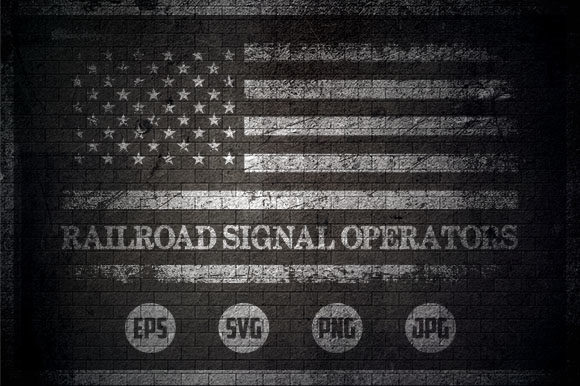
USA Flag United States
As a designer and embroidery product reviewer, I often find myself evaluating machine embroidery designs for real-world use. The USA Flag United States is one such design that caught my attention. It’s a classic symbol with broad appeal, but how does it hold up in practical embroidery projects? Let’s dive into the details and see if it’s worth adding to your collection of embroidery files.
First Impressions: A Timeless Symbol
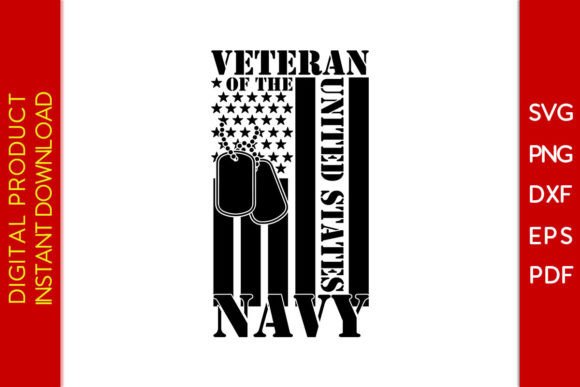
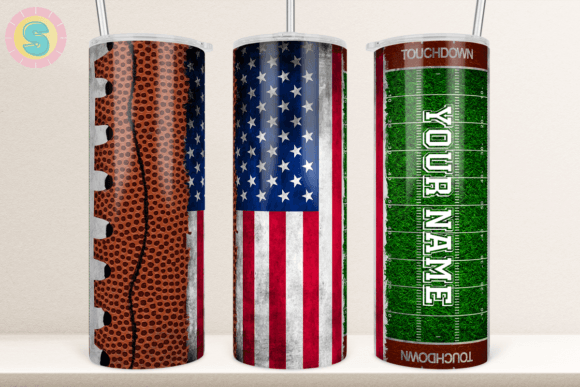
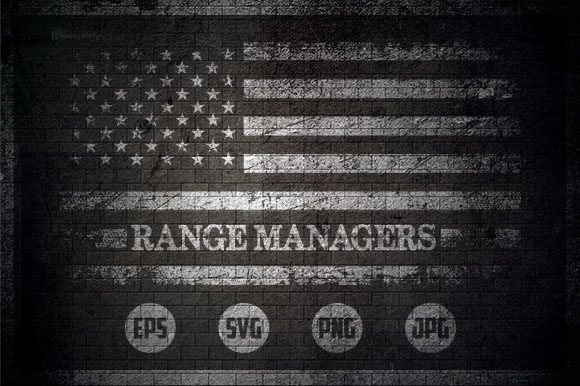
The USA Flag United States immediately evokes a sense of patriotism and pride. Its clean lines, bold colors, and recognizable layout make it a strong candidate for a wide range of projects. The design feels modern yet traditional, which is perfect for both casual and formal applications. Whether you’re working on a custom apparel piece or a handmade gift, this design has the visual personality to stand out.
It’s clear that the designer took care to balance detail with simplicity. The stars are neatly arranged, and the stripes are evenly spaced. This level of precision is essential for an embroidery file, especially when working with small hoop sizes or intricate details.
Real-World Embroidery Use Cases
One of the first things I considered was how USA Flag United States would look on different types of fabric and garments. For example, if I were creating a custom tote bag design, this flag would be a great fit. The size and layout work well for a large hoop, making it easy to stitch without too much hassle. However, if I were trying to fit it into a smaller hoop, I might need to adjust the design or break it into sections.
On a sweatshirt or t-shirt, the design would look sharp, especially if using contrasting thread colors. The flag’s high visibility makes it ideal for promotional items or holiday gifts. For baby clothes, the design could be used as a patch or embroidered directly onto onesies, giving parents a unique, personalized touch.
I also thought about how it would perform on textured fabrics or stretchy materials. While the design itself is straightforward, the stitching density and stabilizer use become critical factors. If the fabric is too thin or stretchy, the stitches might pucker or lose definition. That’s why testing on scrap fabric before committing to a final project is always a good idea.
Where to Be Cautious
Despite its strengths, there are a few areas where USA Flag United States might require extra attention. For instance, if you’re working with dark fabric, the contrast between the white stars and red background could be challenging. Depending on the thread color and fabric type, the design might not show up as clearly as intended.
Another consideration is the use of the design on curved surfaces like caps or hats. The flag’s straight lines and corners may not conform well to the shape of the cap, leading to distortion or misalignment. In such cases, a more flexible or curved design might be better suited.
For very small hoop sizes, the design might need to be scaled down or split into parts. If the hoop is too small, the stitching could become too dense, leading to puckering or a less refined look. Similarly, if the design includes tiny lettering or decorative accents, those details might not translate well on certain fabrics or machines.
Impact on Visual Appeal and Product Value
When it comes to visual appeal, USA Flag United States is a strong performer. Its clean, recognizable style ensures that it will be instantly understood by customers. This is especially important for handmade products or personalized gifts, where the design plays a key role in the overall aesthetic.
In terms of product value, this design can elevate a simple item into something special. Whether it’s a custom apron, a holiday pillow, or a boutique-branded t-shirt, the flag adds a professional and patriotic touch. It’s also a great way to build brand consistency, especially for businesses that want to incorporate national themes into their merchandise.
From a customer perspective, the design is likely to generate positive reactions. People tend to connect with symbols like the American flag, making it a safe and appealing choice for both personal and commercial use. However, it’s important to consider the target audience—some customers may prefer subtler designs over bold, patriotic ones.
Practical Designer Notes
Before using USA Flag United States in any project, I recommend testing it on different fabrics and thread colors. This will help you determine how it looks in real life and whether any adjustments are needed. For example, if you’re using a light-colored fabric, the design might appear too bright, while a dark fabric could cause the white elements to blend in.
Stitch density is another factor to keep in mind. If the design is too dense, it could lead to stiff or uncomfortable fabric, especially on items like baby clothes or wearable apparel. Adjusting the stitch density or using a proper stabilizer can help maintain the design’s integrity without compromising comfort.
Also, check whether the design works for both personal and commercial projects. If you plan to sell finished items or digital products, make sure the licensing terms allow for that. Some designs may have restrictions on resale or modification, so it’s always wise to confirm these details before proceeding.
Finally, consider how the design fits into your overall product lineup. If you’re an Etsy seller or a small shop owner, having a versatile design like USA Flag United States can be a valuable asset. It can be used across multiple product categories, from apparel to home decor, giving you more flexibility in your offerings.
Conclusion: A Versatile and Patriotic Design
Overall, USA Flag United States is a solid embroidery design that offers both visual appeal and practicality. It’s well-suited for a variety of projects, from custom apparel to personalized gifts. With proper testing and attention to detail, it can be a reliable addition to your embroidery file collection.
Whether you’re a craft business owner, an Etsy seller, or a hobbyist looking to expand your creative options, this design has the potential to enhance your work. Just remember to consider the fabric, hoop size, and stitch density to ensure the best possible outcome.